First You Sign the Lease: A Realistic Roadmap for Turning an Empty Building Into a Community Space
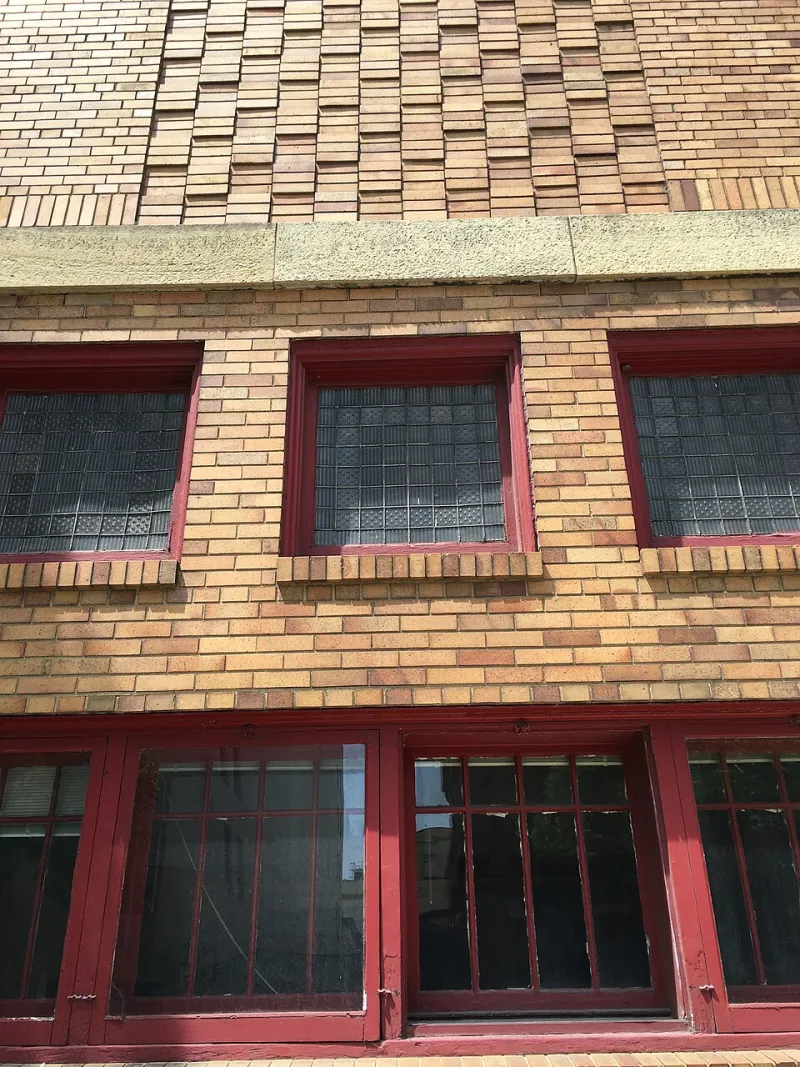
Photo: Michael Steeber from USA, CC BY-SA 2.0, via Wikimedia Commons
Every town has one: the former hardware store with the papered-over windows, the church that closed its doors a decade ago, the warehouse that hasn't seen a truck since the plant downsized. And nearly every town has someone who looks at those buildings and thinks, someone should do something with that.
This guide is for the person who decides to be that someone. It is not a story about fundraising miracles. It is a practical sequence — verified against the experiences of community organizers who have opened real spaces on shoestring budgets.
Step One: Confirm the Building Can Legally Do What You Want
Before you fall in love with a space, learn its zoning classification. Call your city or county planning department and ask three questions: What is the current zoning? Is a community gathering use permitted by right? If not, what does a conditional use permit or variance require?
This single phone call saves months. A building zoned for residential use, for example, may need a public hearing before it can host regular gatherings — a process that costs filing fees and takes weeks. Some municipalities offer streamlined approvals for civic uses; ask specifically.
Also verify:
- Occupancy classification. Assembly spaces (over a certain occupant load) trigger fire-safety requirements — exits, sprinklers, or alarms — that can dominate your budget.
- ADA accessibility. Restrooms and an accessible entrance are non-negotiable for public use and often the largest renovation line item.
- The lease itself. Aim for a short initial term (one to two years) with options to renew, and negotiate a tenant-improvement period where rent is reduced or waived while you build out.
Step Two: Pick a Sponsorship Structure That Fits Your Ambition
You have three realistic models, each with trade-offs.
Fiscal sponsorship. A 501(c)(3) organization agrees to receive tax-deductible donations and grants on your behalf, typically for 5–10 percent of funds raised. You avoid the cost and delay of incorporation. This is the fastest route and the one most small projects should start with.
A new nonprofit corporation. Appropriate if you expect to grow, own property, or pursue government grants. Budget for state incorporation fees, IRS Form 1023 filing, and a board of directors. Plan on three to twelve months before full tax-exempt status.
A for-profit or cooperative model. A membership-based co-op or small LLC works when the space will generate revenue — paid classes, events, a café counter. Some organizers choose this to avoid grant-writing entirely.
Step Three: Insurance — the Line Item People Forget
General liability insurance for a small community space typically runs between $1,200 and $3,000 annually, depending on activities and occupant load. Add special event coverage for one-off fundraisers, and if you serve food, confirm your policy addresses it. Landlords will almost always require you to name them as an additional insured — build this into negotiations from the start. An independent insurance broker who works with nonprofits can quote several carriers in a day.
Step Four: Build a Budget That Assumes Almost Nothing
A credible shoestring opening looks roughly like this:
| Item | Realistic Range |
|---|---|
| Lease deposit and first months | $2,000–$8,000 |
| Liability insurance (annual) | $1,200–$3,000 |
| Basic build-out and accessibility | $5,000–$25,000 |
| Utilities and internet (3-month runway) | $1,500–$4,000 |
| Furnishings (donated, used, or surplus) | $500–$2,000 |
Furnishings deserve special mention: office liquidations, school district surplus sales, and church closures regularly give away tables, chairs, and shelving for free to nonprofits. Ask before you buy anything.
Three People Who Did It
The former church, rural Ohio. A retired teacher and three neighbors signed a two-year lease on a closed Methodist church for a nominal monthly rent from the regional diocese. Using the existing fellowship hall, they opened a community meal site and tutoring center within four months, operating under a fiscal sponsor. Total cash outlay before opening: under $6,000.
The vacant storefront, downtown Fresno. A graphic designer negotiated a free first year from a property owner eager to reduce vacancy blight, in exchange for programming that drew foot traffic. A pop-up art and workshop space grew into a permanent neighborhood venue, with the landlord eventually converting the arrangement into a below-market lease.
The warehouse bay, upstate New York. A veterans' group partnered with the county's industrial development agency, which owned the building, for a $1-per-year use agreement. Volunteers performed most of the build-out; a community development block grant covered the accessible restroom — the project's single largest expense.
The Common Thread
None of these projects began with a checkbook. They began with a lease conversation, a phone call to a planning department, and a fiscal sponsor willing to say yes. If a building on your street has been sitting empty, the barrier to entry is lower than it looks — and the first step is simply asking the question out loud.