Who Answers the Buzzer? Inside America's Quiet Volunteer Recruitment Crisis
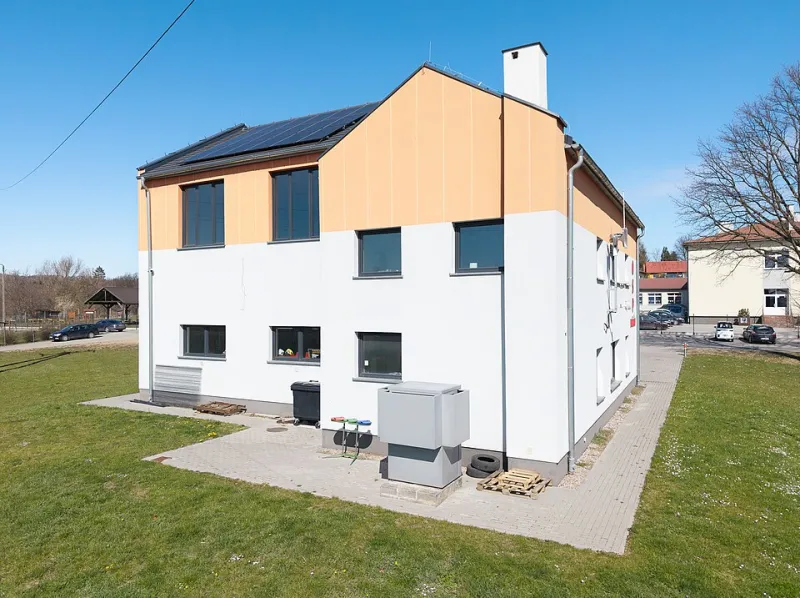
Photo: Jacek Halicki, CC BY-SA 4.0, via Wikimedia Commons
The lights are on at the Fairhaven, Massachusetts fire station, but the roster behind them tells a harder story. Twenty years ago, the town's call company fielded more than 40 volunteer firefighters. Today, the number hovers near half that, and a single weeknight structure fire can stretch the department to its limit. Fairhaven is not an outlier. It is the new arithmetic of American civic life.
The Numbers Behind the Empty Chairs
Federal and academic surveys have tracked a steady erosion in formal volunteering since the early 2000s, and the pandemic only accelerated a decline that was already underway. The Bureau of Labor Statistics' volunteering data, paired with research from the University of Maryland's Do Good Institute, points to the same conclusion: fewer Americans are joining institutions — and those who do join are giving fewer hours.
The strain falls hardest on organizations that depend on a reliable corps of trained bodies. Roughly 65 percent of U.S. firefighters are volunteers, according to the National Fire Protection Association, and departments nationwide report recruitment shortfalls measured in the tens of thousands. Library boards, planning commissions, volunteer ambulance corps, and food pantries report the same pattern. The work hasn't disappeared. The people willing to do it have.
Why Nobody Walks Through the Door
Organizers who have studied their own recruitment failures describe a consistent set of barriers — and none of them are apathy.
Time is rationed differently. The classic model assumed one wage earner with predictable evenings free. Today's households juggle shift work, caregiving, and second jobs. A Tuesday-night drill schedule, however noble, simply excludes a large share of willing adults.
The ask is opaque. "We need volunteers" is a slogan, not an invitation. People hesitate when they can't picture what the first shift actually looks like, how long it lasts, or whether they're qualified.
Institutions feel closed. Long-tenured organizations can develop cultures that read as unwritten hierarchies. Newcomers describe showing up once, feeling like outsiders, and never returning — a problem organizers call the "second visit" problem.
Towns That Are Rethinking the Ask
The encouraging news is that the fix is rarely expensive. It is usually a redesign of the invitation itself.
In western New York, several volunteer ambulance corps adopted split-shift scheduling, letting members claim two-hour blocks instead of full twelve-hour duty nights. Retention rose sharply because the commitment finally matched the calendar people actually had.
In Iowa, a regional library system replaced its formal board recruitment cycle with "try a meeting" open sessions — no application, no election, no obligation. Attendance at subsequent board meetings tripled, and several attendees eventually ran for seats.
Fire departments in Pennsylvania and Minnesota have leaned into junior and auxiliary programs that let teenagers and non-runner adults contribute — driving rehab vehicles, handling logistics, managing social media — building a pipeline rather than demanding a finished firefighter on day one.
What Makes People Stay
Recruiters who beat the odds share a common insight: the first hour matters more than the first pitch. Organizations with strong retention tend to do three things well.
- They assign a named contact. A single person — not a generic email — greets the newcomer, explains the first shift, and follows up afterward.
- They give real work early. People stay when they feel useful within the first visit, not after weeks of orientation.
- They say thank you in specific terms. "You covered the pantry's Tuesday rush" lands; a generic certificate does not.
An Open Door Needs Someone to Answer It
Volunteerism will not be rescued by a single national campaign. It will be rebuilt one institution at a time, by groups willing to lower the threshold, clarify the ask, and treat the first visit as the whole ballgame. The door is already open in thousands of firehouses, libraries, and pantries across the country. The challenge now is making sure someone is standing there to wave people in.