Seven American Towns That Rethought Welcome — and What Yours Can Borrow
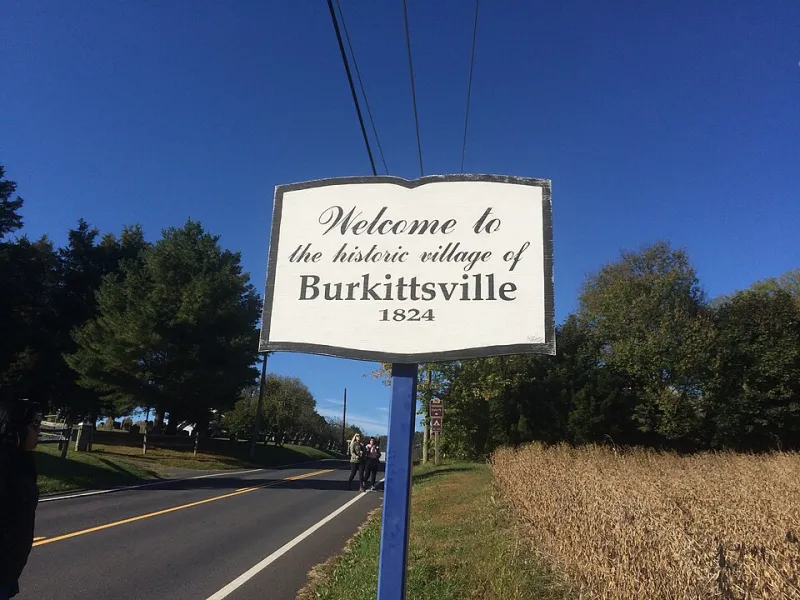
Photo: treybunn2, CC BY 2.0, via Wikimedia Commons
Welcome, in most American towns, is a matter of temperament. In a growing number of places, it has become a matter of policy — deliberate, budgeted, and measured. The seven communities profiled here differ in size, region, and politics, but they share a conviction that attracting and keeping new neighbors is work, and that the work pays off in population growth, civic participation, and local revenue.
1. Utica, New York — One Counter for Every Permit
Utica consolidated its housing, utilities, and business permitting into a single newcomer services desk, with staff trained to walk first-time applicants through every form. The result: average permit processing time fell by half, and the city saw a measurable uptick in small-business registrations among recent arrivals. Copy this: merge your town's newcomer-facing paperwork into one desk, even if it starts as one employee with a checklist.
2. Garden City, Kansas — Interpretation as Infrastructure
Rather than relying on ad hoc translation, Garden City contracted on-call interpretation for its health department, court system, and school enrollment offices, budgeting it like any other municipal service. Missed appointments dropped noticeably, and school enrollment paperwork errors fell sharply. Copy this: fund a shared interpretation pool across departments — the cost is a rounding error next to the staff hours it saves.
3. La Crosse, Wisconsin — Landlord Navigators
La Crosse trained a corps of volunteer "housing navigators" to help newcomers — especially renters arriving without local references — understand leases, deposits, and tenant rights. Rental disputes declined, and vacancy turnover shortened. Copy this: recruit volunteers from a local law school, realty association, or housing nonprofit to staff monthly navigation clinics.
4. Clarkston, Georgia — A Welcome Center at the Bus Stop
Clarkston placed its new-resident welcome center adjacent to the primary transit hub, where most newcomers physically arrive first. Registration for services, volunteer matching, and community orientations all happen within sight of the bus stop. Copy this: locate your welcome infrastructure where newcomers actually are, not where town hall happens to be.
5. Dodge City, Kansas — Weekend Hours for Working Families
Dodge City extended city office hours to include Saturday mornings, recognizing that shift workers could not reach a counter open only nine to five. Utility sign-ups and ID appointments among working households rose in the first year. Copy this: pilot one Saturday service morning per month before committing to a permanent schedule.
6. Lewiston, Maine — Newcomer Civic-Bridge Program
Lewiston paired long-time residents with newly arrived families through a structured six-month civic-bridge program — shared attendance at school board meetings, festivals, and volunteer shifts. Program participants registered to vote at rates well above the newcomer average. Copy this: a simple matching program run through a library or faith community costs almost nothing and builds the social ties no brochure can.
7. Amarillo, Texas — Plain-Language City Hall
Amarillo rewrote its top twenty most-used public documents — leases, notices, applications — into plain language at a middle-school reading level, with visual guides. Complaints and resubmissions fell, and staff time was freed for complex cases. Copy this: audit your five most-requested documents first; plain-language rewrites are inexpensive and benefit everyone, not only newcomers.
The Common Thread
None of these initiatives required grand budgets. They required treating welcome as a service to be designed rather than a sentiment to be assumed. Towns that did so saw new neighbors stay longer, volunteer sooner, and open businesses faster — proof that the open door is not merely a metaphor, but a municipal strategy any community can put to work.