Before You Hang the Open Sign: The Fine Print That Shapes Who Feels Welcome
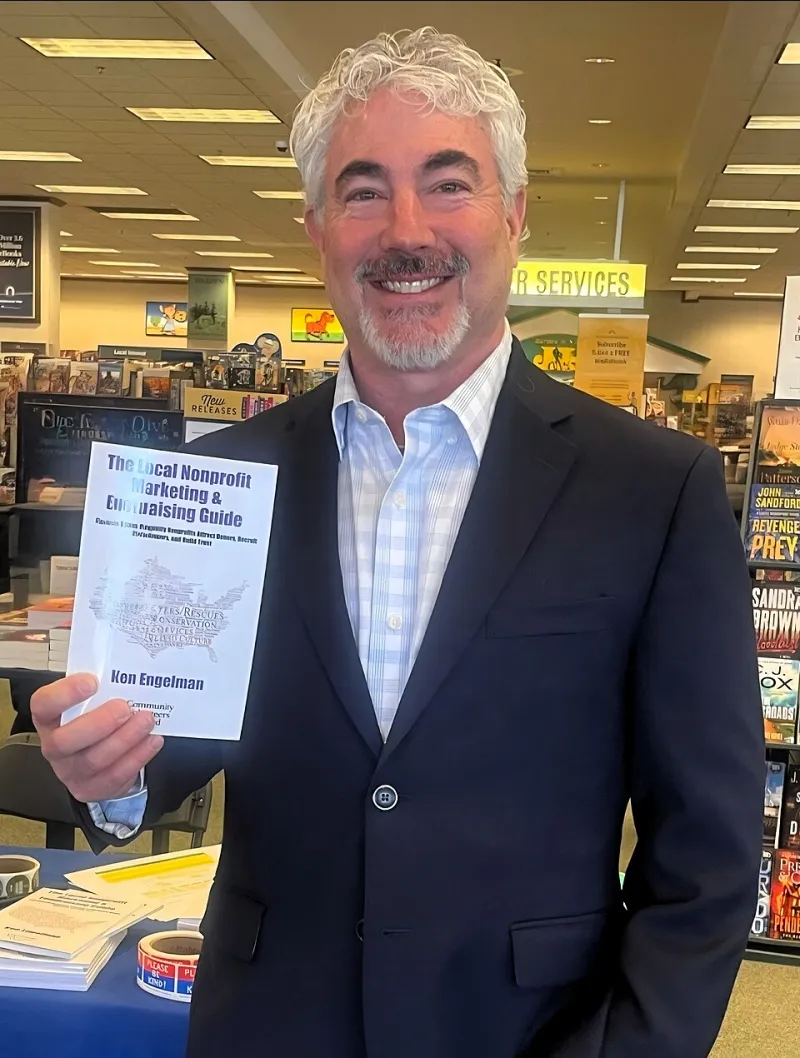
Photo: Kenengelman, CC BY 4.0, via Wikimedia Commons
When the volunteers of Harbor Light Collective, a small nonprofit in a river town of 8,000, first walked through the vacant storefront on Main Street, they saw folding tables, a job-readiness workshop, and a warming station in winter. Their landlord saw a reliable tenant. Neither of them, in those early conversations, said a word about operating hours, indemnification language, or the definition of 'permitted use.'
That silence is common — and it is where access is often won or lost. Commercial leases are routinely treated as paperwork between two parties, but for organizations that exist to serve the public, the lease is effectively a charter for community access. Its fine print quietly determines who may walk through the door, when, and on what terms.
The Hours Clause Nobody Reads
Most retail leases include a requirement that tenants maintain consistent business hours — often mirroring the landlord's expectations for other commercial tenants. For a boutique, this is trivial. For a nonprofit that plans evening ESL classes or weekend legal clinics, it can be a quiet trap.
Harbor Light's draft lease required operation from 9 a.m. to 6 p.m., six days a week. The volunteers' entire program model ran counter to that: the people they served worked daytime shifts. Only after their pro bono attorney flagged the provision did the organization negotiate an hours 'floor' rather than a ceiling — a minimum, not a mandate.
The lesson: never assume the hours clause is boilerplate. Ask whether it sets minimums or maximums, and whether special events after hours require written consent.
Liability Language That Scares Off Programming
Few provisions chill community programming faster than broad indemnification. A clause requiring a tenant to 'hold harmless' the landlord for all injuries on the premises — including those arising from the landlord's own negligence — can push a small organization's insurance costs beyond its budget, and with them, its ambitions.
Some nonprofits respond by trimming programming. Others simply decline the space. Both outcomes shrink public access in the same way.
Harbor Light negotiated mutual language and clarified that public events would be covered under a general liability policy named to include the landlord as an additional insured — a standard, affordable arrangement that satisfied both sides.
The lesson: liability is a negotiation, not a verdict. Additional insured endorsements and mutual indemnity clauses are routine, and landlords frequently accept them when asked.
The 'Community Benefit' Clause, Defined
An increasing number of municipalities and mission-driven landlords include community benefit provisions — promises that a tenant will offer public programming, host meetings, or serve local residents. These clauses can be powerful tools, but vague ones cut both ways: a landlord may later claim a tenant failed to deliver on commitments it never fully understood.
Harbor Light insisted on specificity. Rather than promising vaguely to 'serve the community,' the lease enumerated what that meant: twelve public workshops per year, free meeting-room hours on Saturdays, and a posted schedule visible from the sidewalk. Precision protected the nonprofit — and gave the landlord something to point to with pride.
The lesson: if your mission is your lease's justification, write the mission into the lease with numbers attached.
Use Restrictions and the Invisible Guest List
Permitted-use clauses deserve particular scrutiny. A lease that authorizes 'office use' may not authorize a public waiting area. One that permits 'retail sales' may not permit a food pantry, even a small one. Zoning interacts here as well: a change in programming can sometimes trigger a different occupancy classification, with code requirements attached.
Before signing, Harbor Light made a list of every activity it might plausibly run in five years — childcare pop-ups, a small thrift corner, voter registration drives — and confirmed each fit within the permitted use. Two activities required an amendment; both were secured before signatures, when goodwill was highest and leverage was mutual.
The lesson: negotiate for the organization you intend to become, not the one you are today.
Assignment, Exclusivity, and the Long Game
Two final provisions merit attention. Assignment clauses govern whether a nonprofit can sublet space to partner organizations — a common and efficient way to multiply community services under one roof. Exclusivity clauses, meanwhile, can prohibit a tenant from hosting activities that compete with other tenants. A laundromat neighbor might object to a free clothing drive; a café might object to a free coffee station. Anticipating these conflicts in writing prevents them later.
A Checklist Before You Sign
- Confirm whether operating-hour requirements are minimums or maximums.
- Request mutual indemnification and ask to be named as additional insured on the landlord's policy — or to name the landlord on yours.
- Define any community benefit obligations in measurable terms.
- Map your five-year program plan against the permitted-use clause.
- Clarify subletting rights for partner organizations.
- Ask about signage rules before assuming your 'Everyone Welcome' banner is allowed.
Six months after opening, Harbor Light's doors are open until 8 p.m. on weeknights. The space hosts a tax-preparation clinic, a teen homework hour, and a monthly tenant association meeting for residents of a nearby apartment block. None of that appeared in the first draft of the lease.
The handshake that made it possible was not a single moment of trust. It was a document — read closely, argued politely, and signed with eyes open.