After the Last Key Turns: Rescuing America's Institutional Buildings Before the Wrecking Ball
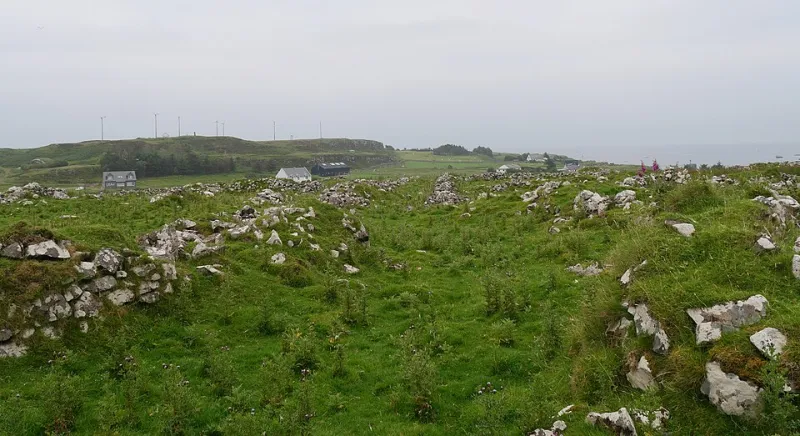
Photo: habiloid , CC BY-SA 2.0, via Wikimedia Commons
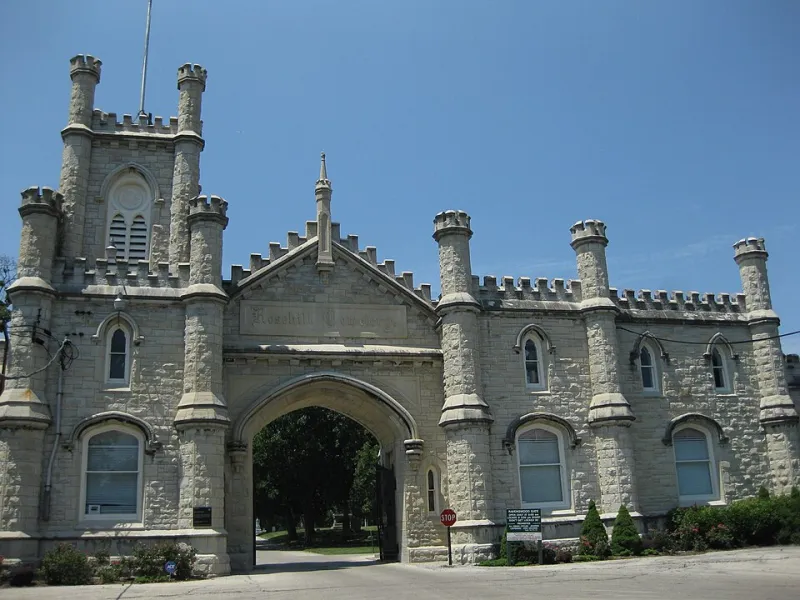
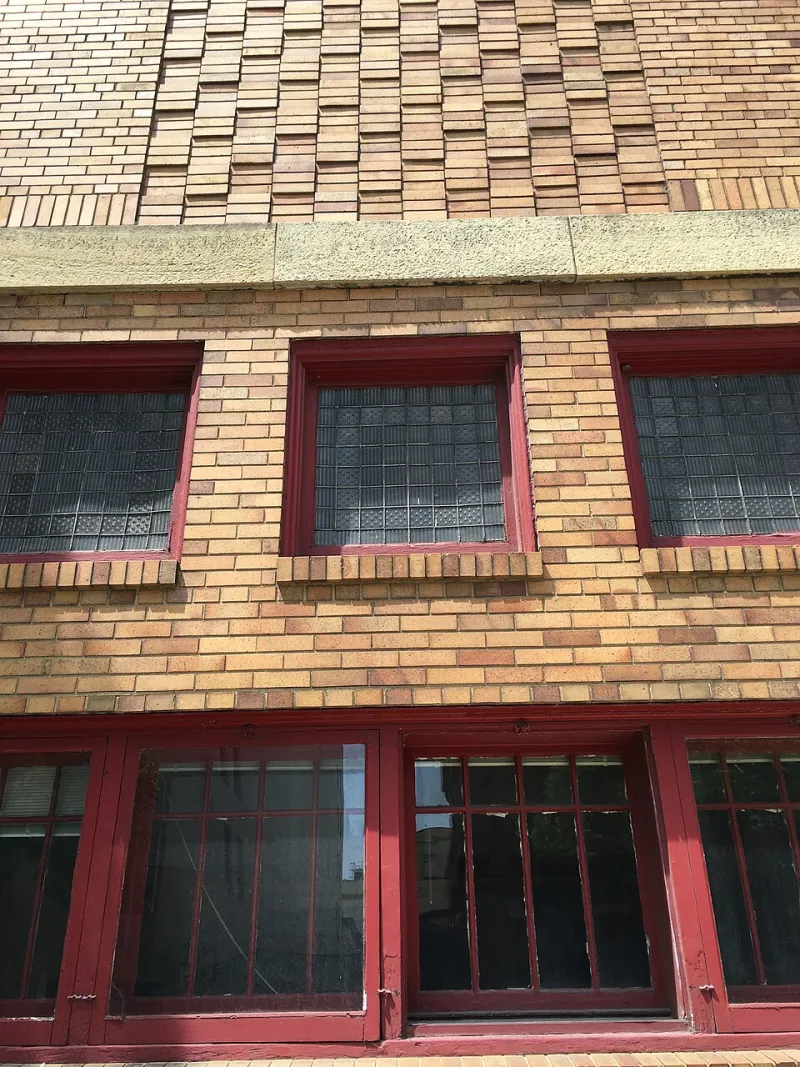
Drive through enough small towns in the Dakotas, the Ozarks, or the hollows of West Virginia and you'll notice a pattern: the grandest buildings on Main Street are often the emptiest ones. A limestone bank with marble floors and no customers. A brick schoolhouse with a 1954 cornerstone and no students. A post office whose WPA-era mural still overlooks rows of empty postal boxes.
These structures were built to signal permanence. Their abandonment sends the opposite message. Yet across the country, a quiet counter-current is forming — residents who refuse to let the last key be the final word.
What Gets Left Behind
The scale of the problem is substantial. The U.S. Postal Service has consolidated thousands of rural routes and facilities over the past two decades. Branch closures by national banks, accelerated by online banking, have stripped dozens of small towns of their last financial institution. School consolidations, driven by shrinking enrollment and budget pressure, have left an estimated tens of thousands of former school buildings vacant or underused nationwide.
The consequences compound. A closed bank means residents drive an hour to deposit a check. A shuttered school means the gymnasium that hosted every wedding reception and blood drive since Eisenhower is now padlocked. And an empty anchor building drags down the properties around it, accelerating a decline that started with a single notice on the door.
Three Buildings, Three Second Acts
Consider what happens when a community gets it right.
In a farming town in eastern Colorado, the former First National Bank — vault and all — reopened as a public library. The vault now houses the local history collection, and the drive-through teller lane serves as a book return. Attendance doubled within the first year, partly because the building retained its role as the place where people already went.
In rural Mississippi, a decommissioned elementary school became a community health clinic. The cafeteria kitchen turned into a nutrition education space; classrooms became exam rooms. The familiar hallways eased a real barrier: residents who had avoided medical care found the building less intimidating than a hospital campus an hour away.
And in upstate New York, a 1930s post office, its mural intact, was converted by a nonprofit into a gathering hall and event space. Weddings, town meetings, and a weekly senior lunch now share the room where postal windows once stood. The renovation qualified for historic preservation tax credits, which the group's treasurer describes as "the difference between possible and impossible."
Why Rescue Efforts Fail — and How They Succeed
The obstacles are consistent. Ownership is often unclear: the Postal Service, a bank holding company, or a school district may each hold the deed, and none is in a hurry. Buildings carry code compliance costs — accessibility retrofits, asbestos abatement, HVAC replacement — that can dwarf the purchase price. And volunteer-led groups frequently burn out before the paperwork ends.
The successes share a few traits. They start with a feasibility assessment, not a fundraiser. They recruit someone with real estate or construction experience early. They pursue every available tool: historic tax credits, USDA rural development grants, community development block grants, and community land transfers. Most importantly, they identify a tenant before they buy the building — an anchor use with revenue or public funding that can sustain operations long after the ribbon-cutting photos.
A Checklist for the Building You Can't Bear to Lose
If a beloved institution in your town is slated to close, the window between announcement and sale is when leverage exists. Consider this sequence:
- Confirm ownership and status. A county auditor or assessor's database will tell you who holds the deed and whether the property is tax delinquent.
- Organize quickly and formally. A registered nonprofit or friends-of group can access grants and negotiate with public agencies that cannot sell to informal committees.
- Request a structural and environmental assessment. Know what you're inheriting before you inherit it.
- Document community demand. Petitions help, but letters of intent from prospective tenants — a library district, a clinic operator, a childcare provider — help more.
- Approach public agencies first. Postal Service properties and closed schools often have civic-use transfer provisions; a bank building is a straight negotiation, so know your alternatives.
- Budget for operations, not just acquisition. A $50,000 purchase with a $200,000 renovation is the norm, not the exception.
- Set a walk-away point. The saddest outcome is a decade of volunteer effort spent on a building that was never viable.
Open Doors Rarely Open Themselves
There is no federal program that will save your town's landmarks. But the examples multiplying across the map — the vault-turned-library, the schoolhouse clinic, the post office dance hall — suggest something encouraging: the buildings that once symbolized institutional presence can symbolize community presence instead. The doors don't have to stay closed. Someone just has to decide, early enough, to hold one open.